


Small Boiler Desulfurization and Denitrification Equipment for Waste Incinerators
Contact Info
- Add:Changle Village, Wangwu Town, Botou City, Zip: 062155
- Contact: 常守峰
- Tel:13011424488
- Email:747569321@qq.com
Other Products


Product Introduction of Desulfurization and Denitrification Equipment for Small Boilers in Waste Incinerators:
Waste incinerators are commonly used as harmless treatment equipment for medical and domestic waste, as well as for the safe disposal of animal remains. The principle involves using the combustion of fuels such as coal, oil, or gas to incinerate and carbonize the objects being treated at high temperatures, thereby achieving sterilization. Small waste incinerators, on the other hand, are relatively compact in size and have moderate processing capacity, making them suitable for rural areas, towns, small communities, and similar locations.
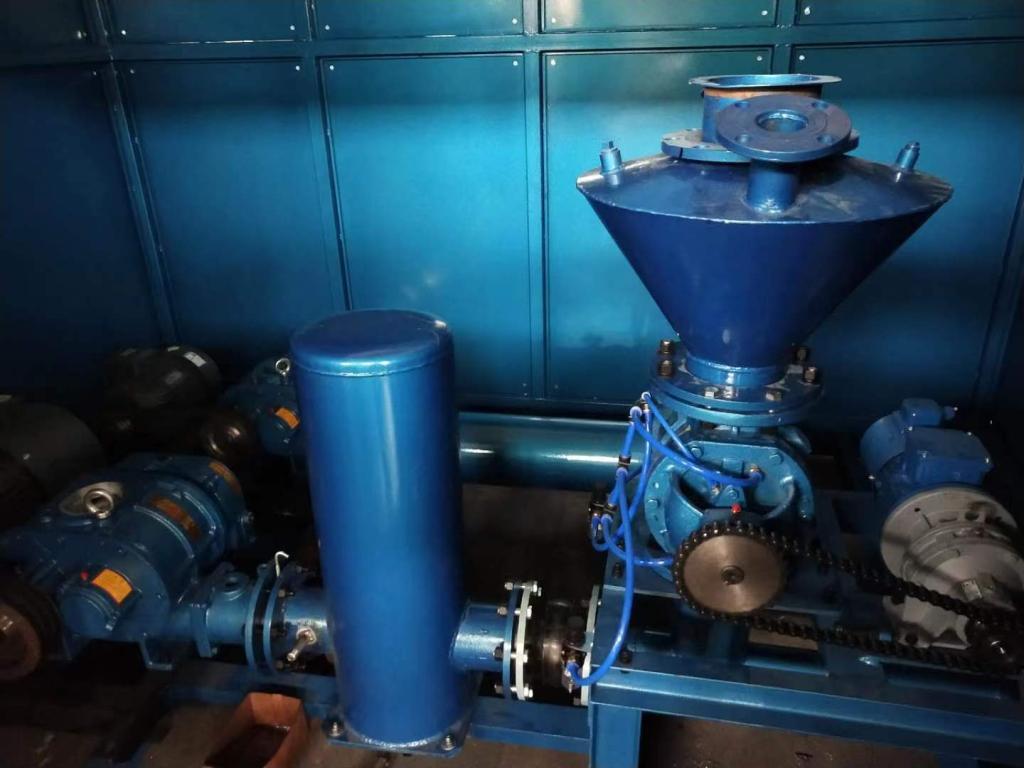
To meet strict environmental emission standards, small waste incinerators (including their boilers) are typically equipped with advanced exhaust gas treatment systems. These systems include desulfurization, denitrification, dust removal, and heavy metal removal devices, effectively purifying the exhaust gases generated during the incineration process. Below is a detailed introduction to the desulfurization and denitrification equipment for small boilers in waste incinerators:
I. Desulfurization Equipment
Desulfurization equipment is primarily used to remove sulfur dioxide (SO2) from flue gas. Among the commercially operational wet desulfurization processes, magnesium oxide desulfurization technology is a promising method. This process is relatively mature, requires low investment, has a simple structure, offers good safety performance, reduces secondary pollution, allows for the recycling of desulfurizing agents, lowers desulfurization costs, and provides certain economic benefits. The entire flue gas desulfurization system is mainly divided into six subsystems: absorbent preparation system, flue gas system, SO2 absorption system, process water system, electrical instrumentation control system, and byproduct recovery system.
II. Denitrification Equipment
Denitrification equipment is used to remove nitrogen oxides (NOX) from flue gas. Currently, there are various denitrification processes, with the following being commonly used:
- SNCR Denitrification: Selective Non-Catalytic Reduction denitrification technology uses the furnace as a reactor and is the primary denitrification technology adopted for retrofitting older units. It typically achieves a NOX removal rate of 30% to 50%. The reducing agents used are generally ammonia, ammonia water, or urea. Since urea offers better distribution performance within the boiler compared to ammonia, and urea is a common chemical that is simple and safe to transport and store with readily available sources, while ammonia is a hazardous chemical, SNCR usually employs urea as the reducing agent. The technical principle involves injecting a reductant containing NOX base into the furnace, where it rapidly thermally decomposes into NH3, selectively reacting with NOX in the flue gas to produce harmless gases such as N2, CO2, and H2O.
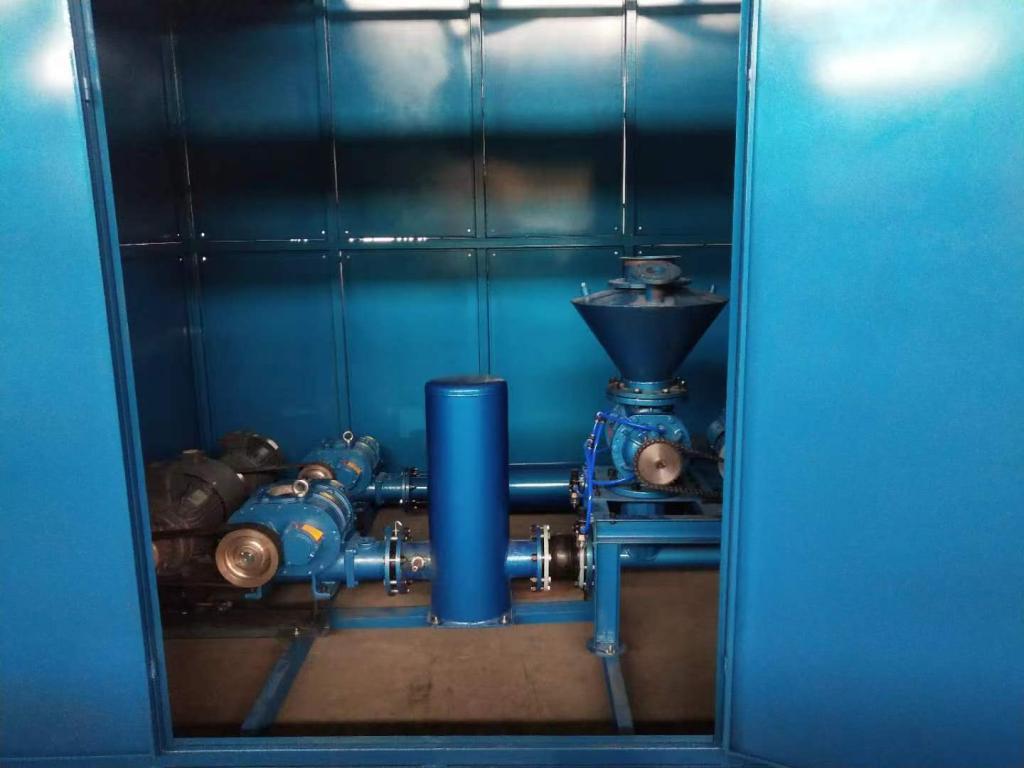
- Polymer Denitrification: This is an in-furnace denitrification process that uses a pneumatic automatic conveying system for powdered materials. Suitable positions are selected at the flue gas outlet and high-temperature zone of the furnace, where holes are drilled to inject polymer denitrifying agents. In the appropriate reaction temperature zone, NOX is reduced to N2 and H2O. This process can achieve a denitrification efficiency of up to 85%, is mature with numerous successful cases, and meets customer requirements and environmental standards.
| Industry Category | Machinery & Equipment/Boilers/Boilers & Auxiliary Equipment |
|---|---|
| Product Category | |
| Brand: | 实恒 |
| Spec: | SH-PNCR |
| Stock: | 10 |
| Manufacturer: | 泊头市实恒除尘设备有限公司 |
| Origin: | 111309 |


